
By: Kelly Floyd, Sr. Marketing Specialist, Consulting
When a new hospital tower nears completion, much of the celebration naturally centers on the new building, whether it is how the building changes the skyline, and architectural features like sweeping glass facades, the benefits of the light-filled concourses, and or the incredible state-of-the-art procedure rooms.
Yet beneath the physical structure lies a complex system of well-designed, well-defined network of human instincts.
Healthcare delivery relies heavily on unconscious spatial memory. In their well-worn work environment, experienced clinicians rarely must pause to consider where a crash cart is positioned, how many steps it takes to reach the clean utility room, or which badge reader opens the trauma elevator during a crisis. Their hands and feet simply know where to go due to familiarity and daily repetition
When you transition thousands of healthcare workers into a newly finished, 1-million-square-foot academic medical center tower, that hard-earned muscle memory is temporarily reset.
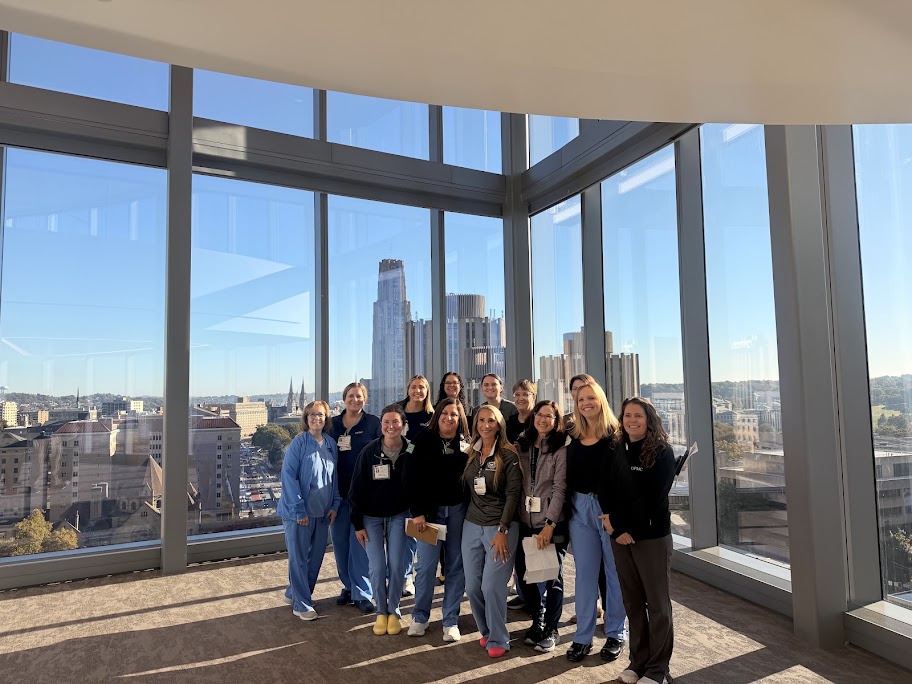
New healthcare facility Dress Rehearsal simulations, bring together physicians, nurses, support professionals, and administrators to take their new building for a test drive before welcoming patients on Day 1.
Over scenario sessions, facility champions conduct high-fidelity clinical simulations involving multi-disciplinary teams walking through daily patient hand-offs and care journeys, manage requests for services, and evaluate response to high-risk medical emergencies. What emerges is a powerful reminder of how people make spaces come alive and proving that clinical readiness must be treated as a gradual, human-centered journey.
Stress-Testing Space Under Human Pressure
No matter how sophisticated architectural modeling and BIM technology have become, a floor plan behaves differently once staff begin moving through it simultaneously.
In a quiet walkthrough, a corridor or procedural bay can appear perfectly proportioned. But during an active code scenario, when respiratory therapy, bedside nursing, attending physicians, and pharmacy arrive at the bedside all at once, the true dynamics of the space reveal themselves and considerations emerge:
- Where does mobile diagnostic equipment pause when a room reaches full capacity?
- Does the head wall configuration support telemetry and emergency medical gases without tangling cords across primary clinical pathways?
- Can a patient transport team navigate an occupied bed past a medication-dispensing alcove without interrupting another nurse’s workflow?
Identifying an awkward alcove clearance or sight line obstruction during a simulation is an operational win. Discovering it during an active clinical emergency is a crisis. Dress Rehearsals provide the structured environment needed to surface these micro-frictions early, providing healthcare leaders with the opportunity to address priority issues before caring for patients.
Fostering Psychological Safety Before Day One
New facility activation discussions default to regulatory milestones, IT cutovers, and equipment delivery. Utility logistics, specifications, and schedule adherence are tangible, outcome-based conversations that can overshadow the most vital system entering a new building, the human one.
Clinicians are held to rigorous standards of speed and precision. Being dropped into an unfamiliar setting can generate genuine disorientation, that can cause hesitation in front of peers, patients, or families.
A structured Dress Rehearsal establishes an intentional, judgment-free sandbox. It re-frames hesitation not as a personal shortfall, but as essential data. When a nurse can pause mid-scenario, turn to an operational lead, and say, “This computer monitor blocks my line of sight to the patient’s airway,” vulnerability turns into shared problem-solving.
True confidence is not built through an orientation binder or a slide deck. It is developed through physical repetition, such as touching call buttons, walking supply corridors, and finding a collective rhythm alongside colleagues.
The Crucial Role of Clinically Fluent Facilitation
Documenting these exercises requires more than a clipboard and a timer. Effective facilitation requires deep operational literacy from leaders who have spent years working at the bedside, leading clinical units, and managing complex hospital operations. A unique value add of Yellow Brick is our strong bench of clinical facilitators that have been on the clinician’s side of the project. They can ask probing questions to support participant critical thinking and provide solution-oriented recommendations based on experience.
When facilitators speak the language of frontline care, they can guide discussions toward the practical realities staff face every day.
“If your unit is managing this workflow at 2:00 a.m. with core staffing, where does your secondary support arrive from?”
“Notice how your team crossed the room three times for standard prep supplies. How can we restock this station to reduce that travel fatigue?”
This shared clinical background builds instant trust, creating a collaborative bridge between design intent and daily execution.
Bridging the Decade-Long Horizon
Large-scale healthcare projects rarely happen quickly. In fact, they often span a decade from initial master planning to opening day. Over that timeline, healthcare changes. Clinical protocols evolve, electronic workflows advance, and new medical equipment emerges that was not on the market when initial drawings were approved.
Simulations bridge this temporal gap. They allow teams to integrate current technologies and updated care models into physical spaces planned years prior. Just as importantly, they re-energize staff who may have experienced project fatigue, replacing years of abstract presentations with hands-on ownership of their new clinical home.
Looking Ahead
A healthcare facility is not complete simply because construction finishes and inspections pass. It truly becomes a hospital when the teams working inside feel safe, oriented, and supported.
By investing in immersive, peer-led simulations, healthcare organizations ensure that when opening day arrives, it does not feel like an unpredictable first step. Instead, it feels like the confident continuation of great care.