
By: Donna Demerjian, PhD, LCSW, LBBP, MD
A new behavioral health facility may be ready to open, but are your people ready to work in it?
Successful activation requires more than preparing the building. It requires helping people prepare for change. As Day 1 approaches, unfamiliar spaces, new workflows, competing priorities, and unanswered questions can create uncertainty for even the most experienced teams. The goal isn’t to eliminate every concern. It’s to turn uncertainty into familiarity, questions into learning, and staff anxiety into confidence and ownership before Day 1.
Recognize the Human Side of Change
Project leaders may have spent years planning a new facility and developing a deep understanding of its design intent and operational vision. Frontline staff, however, may not have had the same exposure and may experience the transition very differently.
Alongside excitement about a new environment, employees are leaving behind familiar spaces, routines, relationships, and ways of working. They want to understand what is changing, why it is changing, and how it will affect their day-to-day work. Concerns raised during activation aren’t necessarily resistance to change. Often, they point directly to areas where teams need greater clarity, additional operational planning, or more support.
Replace Uncertainty with Familiarity
Many concerns around a new facility stem from a simple reality:
The environment, and the way people will work within it, are new
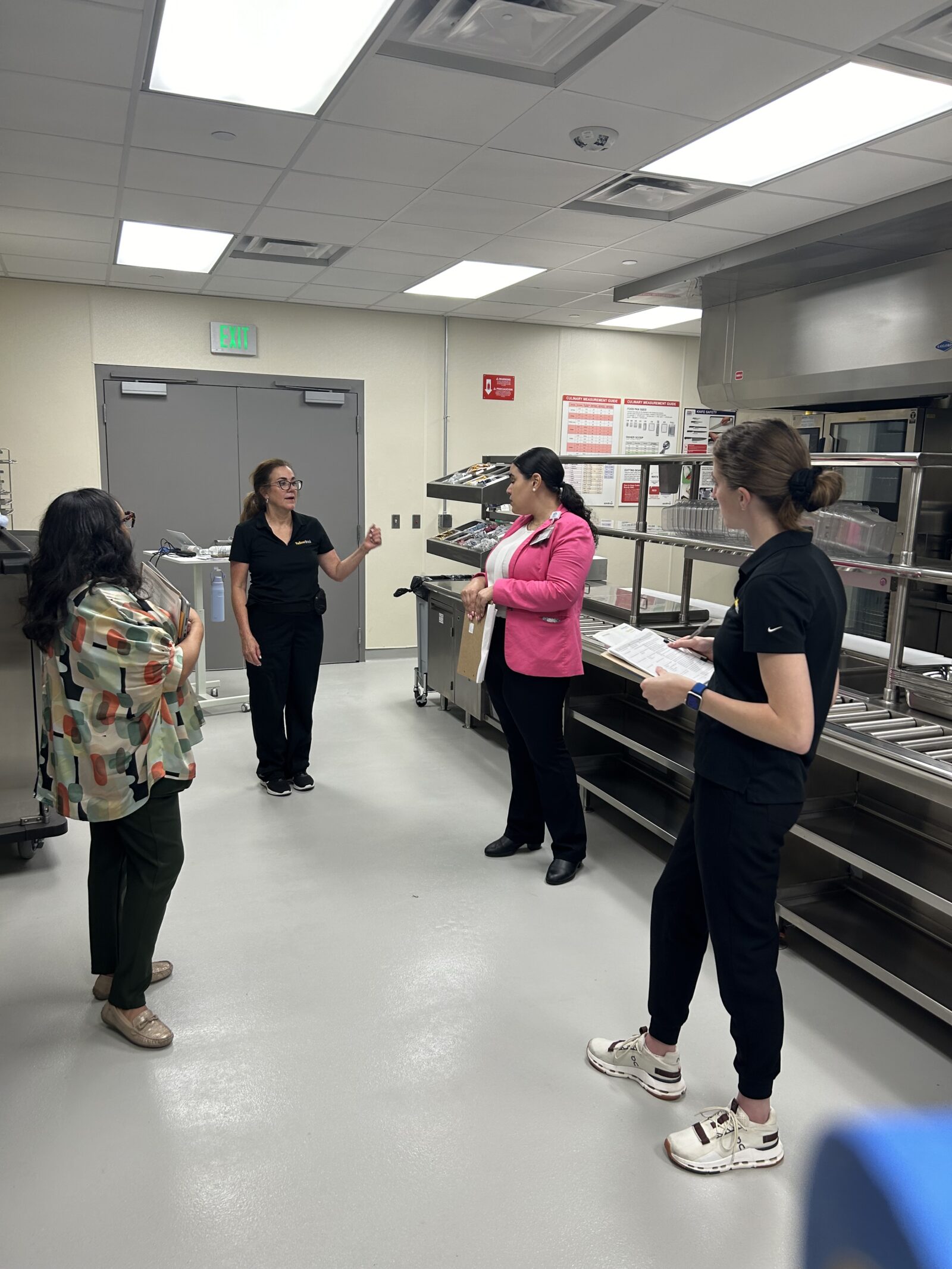
There is an important difference between telling employees about change and allowing them to experience it. Involving staff early gives teams an opportunity to identify potential issues while there is still time to address them. Tabletop Exercises, workflow validation, facility walkthroughs, and Dress Rehearsal events allow employees to be a part of the creating their future-state assumptions of how they will work in their new environment. Viewed through a change-management lens, these activities do more than validate processes. They give staff an opportunity to experience the future before it becomes their everyday reality.
Make It Safe to Find What Needs Fixing
A successful readiness exercise is not one where everything works perfectly. It’s one where teams discover what needs still needs to be worked through while there is still time to address it. Leaders can support this process by creating an environment where employees feel comfortable asking questions, identifying concerns, and challenging departmental assumptions.
When someone identifies an issue during a walkthrough or Dress Rehearsal, it should not be viewed as a failure. Finding operational gaps before opening is one of the reasons these activities are so valuable.
Leaders Set the Tone for Change
Managers and department leaders have a significant influence on how employees experience the transition to a new facility. They do not need to have every answer, but they do need to be visible, communicate consistently, acknowledge uncertainty, and help employees navigate competing demands.
During Transition and Activation, leaders can support readiness by:
- Explaining why changes matter, what is known, and what is still being resolved
- Encouraging questions, escalating concerns, and closing the loop on answers
- Recognizing the competing demands of current operations and activation work
- Participating visibly in readiness activities
- Reinforcing progress and recognizing staff contributions along the way
Leadership behaviors set the tone and reinforce the goals of the project.
We are learning together, and speaking up helps make us more ready.
Make Space for the Work of Change
Perhaps one of the most overlooked realities of activation is that current-state operations do not stop while teams prepare for the new one. Staff continue caring for patients and managing their regular responsibilities while also being asked to contribute to workflow development, policy review, technology implementation, equipment decisions, facility walkthroughs, readiness activities, and operational planning. That additional workload matters.
When activation responsibilities are added to an already-full workload, excitement about the new facility can quickly give way to fatigue. Leaders can help manage these competing demands by:
- Evaluating staffing and coverage needs for frontline participation in readiness activities early in the project
- Prioritizing frontline input and protecting time for critical activation work
- Distributing ownership across departments and staff champions, with clear roles and decision authority
- Sequencing activities thoughtfully and monitoring workload, change fatigue, and milestones
- Treating activation as essential project work, not an add-on to someone’s day job
- Minimizing competing organizational projects to enable staff to focus on their tasks at hand
Making space for this work demonstrates that staff participation is not simply encouraged. It’s essential to getting the new operation ready.
Keep Learning Beyond Day 1
Opening the doors is an important milestone, but it is not the end of change. Even with thoughtful preparation, teams will continue learning once actual operations begin. Workflows may need refinement, new questions will emerge, and staff may discover better ways to work within the new environment.
Create intentional ways to capture those observations through leadership rounding, operational huddles, feedback channels, issue tracking, and lessons-learned discussions. Continue reinforcing the same message established throughout activation: questions are welcome, identifying gaps is valuable, and readiness continues beyond opening day.
From Staff Anxiety to Day 1 Readiness
Strong activation programs do more than prepare people to enter a new building. They help teams understand the space, test how they will work within it, and take ownership of the future state before the doors open.
When staff move from anxiety to ownership, a facility becomes more than complete. It becomes ready.