
Lessons from Charlotte on innovation, leadership, and what it takes to bring complex healthcare projects to life.
By Christina Olivarria, MSPM, PMP, HACP, LBBP
One of the things I look forward to most each year is attending the Healthcare Facilities Symposium & Expo. It is an opportunity to step away from project schedules, meetings, and deliverables and spend a few days learning from some of the brightest minds in healthcare planning, design, construction, operations, and activation.
This year’s conference in Charlotte, NC did not disappoint. I returned home inspired by the conversations, energized by the people I met, and reminded of why I am so passionate about the work we do. Whether the discussion focused on AI, mega project delivery, clinical operations, or the future of healthcare facilities, there was one common thread woven throughout the conference: Great healthcare projects are built by great people.
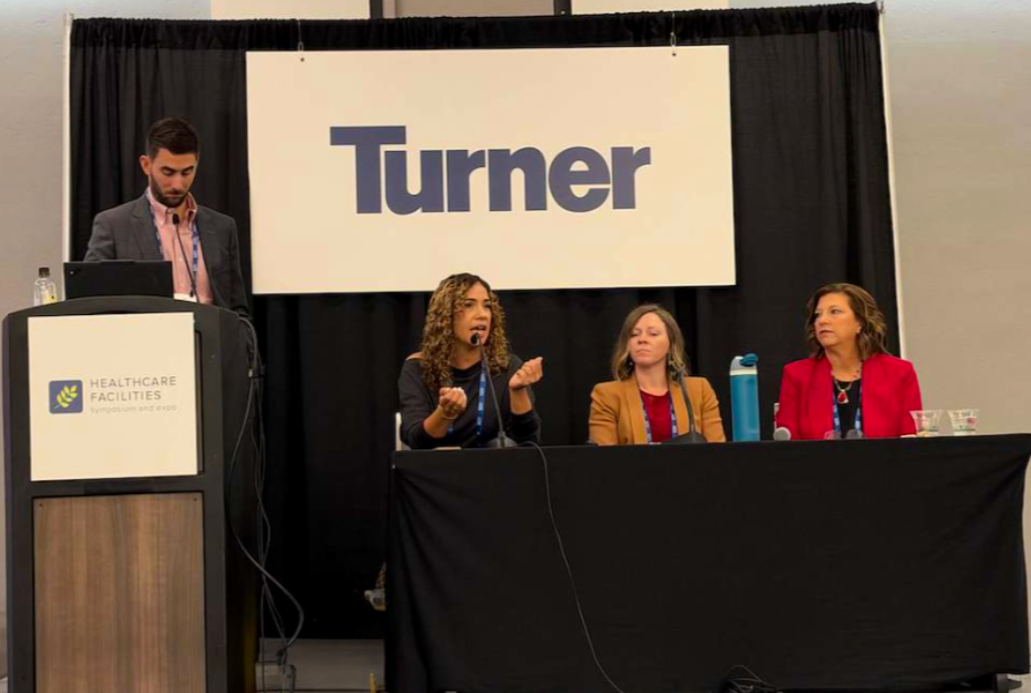
This year’s symposium was particularly meaningful because I had the honor of presenting for the fourth consecutive year. Sharing the story of The Ohio State University Wexner Medical Center and the remarkable work of our Yellow Brick Consulting team reminded me of what can be accomplished. Even on the largest and most complex projects, organizations can succeed when they stay aligned around a common vision.
Here are a few of my biggest takeaways:
AI Is Powerful, but Expertise Still Matters
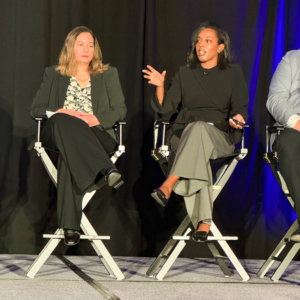 One of my favorite sessions at the conference was How to Train Your Dragon, presented by my fellow Yellow Bricker, Hajar Ahmed. Like many in our industry, I have been exploring how AI can support healthcare projects and improve the way we work. What I appreciated most about this session was that it moved beyond the hype and focused on practical applications. Hajar and the rest of the panel demonstrated how AI can support the healthcare project lifecycle. Planners, designers, builders, operators, and activation professionals can use it to work more efficiently, organize information, accelerate content development, and support decision-making.
At the same time, the session reinforced something I firmly believe: AI is a powerful tool, but it is not a replacement for experience. Healthcare is far too complex for a one-size-fits-all solution. AI can help us arrive at an answer faster, but it still takes human expertise to understand the context, ask the right questions, validate outputs, and make informed decisions. I spend much of my time helping organizations navigate readiness, activation, and operational transition challenges. I left the session encouraged by the possibilities AI presents and mindful of our responsibility to use it thoughtfully.
Honored to Present for the Fourth Consecutive Year
This year marked my fourth consecutive year presenting at the Healthcare Facilities Symposium & Expo, and I continue to be grateful for the opportunity to contribute to conversations that are shaping our industry. Our presentation highlighted the incredible journey of The Ohio State University Wexner Medical Center, one of the largest healthcare activation efforts completed in 2026.
What made this project particularly remarkable was not simply its scale. It was the team’s commitment to preserving design intent throughout the entire project journey. Anyone who has worked on a large healthcare project knows that maintaining alignment over multiple years is not easy. Teams evolve. Priorities shift. Decisions change. New challenges emerge. 
Despite the complexity of the project, the Ohio State team remained focused on the vision established early in the planning process. Operational readiness activities, technology integration, staff training, simulation exercises, move planning, and activation strategies were all intentionally aligned to support that vision.
The project serves as a powerful example of how maintaining alignment, empowering teams, and staying focused on the end goal can help organizations successfully transition from design and construction to operational excellence. It was an honor to showcase the work of a team that demonstrated what is possible when everyone remains committed to a shared vision.
Build the Team Before You Build the Project
Several sessions throughout the conference focused on mega project execution, and many of the lessons shared felt especially relevant as healthcare organizations continue to pursue larger and more complex capital investments. One message stood out above the rest: Build the team before you build the project.
Mega projects require a different approach. Success is not just about scope, schedule, and budget. It is about governance, communication, trust, and 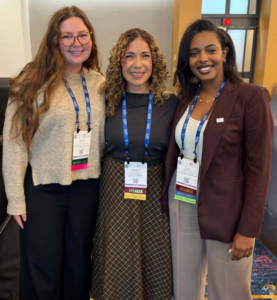 relationships. Speakers discussed the importance of establishing clear decision-making structures early, understanding how teams will interact, and creating systems that allow organizations to adapt as projects evolve.
What resonated most with me was the emphasis on relationships. Project teams spend years together. In many cases, they spend more time with one another than with their own families. The most successful projects intentionally invest in building strong teams before construction ever begins.
Several presenters shared how co-location, leadership visibility, and time spent together outside of formal meetings helped strengthen collaboration. Even in today’s hybrid and virtual environments, creating opportunities for people to connect still has tremendous value. It helps teams build trust and develop a common understanding of project goals. Owners know when project teams are aligned – and when they are not. The strongest teams create an environment where expertise is shared, accountability is embraced, and difficult conversations can happen constructively. Those foundations often determine a project’s success long before the facility opens its doors.
The Importance of Clear Decision-Making
Another theme that surfaced throughout the conference was decision-making. Mega projects simply cannot function when every decision is made by committee. Successful organizations understand who has authority, when decisions need to be made, and how governance structures support project goals.
One of my favorite insights from these discussions was that reducing risk is not about accelerating design or compressing schedules. It is about making the right decisions at the right time. That concept sounds simple, but on large projects, it can make all the difference. The Ohio State example showed how clear decision-makers and disciplined governance helped maintain momentum. These practices also supported the project’s operational and financial objectives. Projects move more efficiently when people understand who owns a decision, how decisions are made, and how those decisions support the broader vision.
Lessons from UNC Health’s Surgical Hospital
Another standout session highlighted UNC Health’s Surgical Hospital project. What I found most interesting was the discussion about balancing standardization with flexibility. Healthcare organizations want consistency, but they also need facilities that can evolve alongside changing technology, care models, and patient expectations. The presentation covered everything from equipment planning and technology integration to workflow design, support spaces, and prefabricated solutions such as headwalls.
Several key themes emerged:
- Standardization drives efficiency.
- Flexibility supports long-term adaptability.
- Clinical engagement is critical throughout planning and design.
- Support spaces are just as important as patient care spaces.
- Innovation should simplify operations, not complicate them.
The session was a great reminder that successful healthcare facilities are not designed solely for today’s operations. They are designed to support the future of healthcare as well.
The Future Is Still About People
As much as I enjoyed learning about emerging technologies, innovative project delivery methods, and large-scale healthcare developments, my biggest takeaway from Charlotte was surprisingly simple: The future of healthcare is still about people.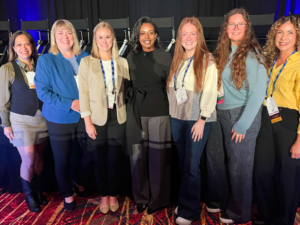
Technology will continue to evolve. AI will continue to improve. Healthcare facilities will become smarter and more sophisticated. Yet successful outcomes will always depend on relationships, trust, communication, leadership, and collaboration.
Whether I was attending Hajar’s AI session, presenting on Ohio State, or listening to teams share lessons learned from mega projects across the country, the message was remarkably consistent. The best technology cannot overcome misalignment. The best facility cannot reach its potential without engaged staff. The best plans still require people to bring them to life. When talented people come together around a shared vision, extraordinary things happen.
Thank you to the Healthcare Facilities Symposium & Expo for another incredible year of learning, connection, and inspiration. I left Charlotte proud of the work our industry is doing, grateful for the opportunity to represent Yellow Brick Consulting, and excited for what lies ahead.