
By: Bridget Graham, MBAH, PMP
When starting a transition and activation project, organizations, especially those embarking on this journey for the first time, are often entering unfamiliar territory. From resource constraints and competing priorities to aggressive schedules, these projects are unique, complex, and highly visible. To achieve desired outcomes on budget and on schedule, organizations need a clear roadmap to success. But what does that roadmap look like, and how do you know whether you’re on the right track?
In my last blog, I discussed the importance of building a strong team at the start of your transition and activation journey. That team is essential, but once the right people are in place, the next question is usually: Where do we begin?
In my experience, many organizations know they need to get started, but they are not always sure what should come first. Before engaging end users, it is important to establish a strong project foundation that aligns your team around the goals, design intent, and operational priorities of the new facility. In this blog, I’ll walk through a few practical next steps that can help set your project up for success.
As you begin building that foundation, here are three key questions worth asking early:
- What goals are critical for the organization to achieve through this project?
Example: We are building this tower to increase bed capacity and support future growth.
- Do you understand the design intent?
Example: These patient rooms were designed to be flexible and adaptable to meet the future needs of the organization.
- How involved have end users been in the project to date?
Example: Team members participated in design sessions and have been attending weekly owner-architect-contractor (OAC) meetings.
What Goals Are Critical for the Organization to Achieve Through This Project?
One of the most important early steps in transition planning is understanding what the organization is trying to accomplish through the project. A new facility is rarely just about opening a building. More often, it is part of a larger strategic initiative driven by necessity, such as increasing capacity to meet population growth, or by market expansion goals, such as growing ambulatory services or expanding into new regions.
A new facility also presents an opportunity to rethink how care is delivered, how teams collaborate, and how patients, staff, and visitors experience the environment. New technologies, improved layouts, decentralized care models, and updated workflows can all influence future-state operations.
Once these goals are clearly defined, the next step is translating them into operational implications. What will change for frontline teams? Which workflows need to be redesigned? What new expectations will leaders need to communicate?
When teams understand not only what the project is delivering, but also why those changes matter, they are much better positioned to plan effectively and make informed decisions throughout the transition and activation process.
Do You Understand the Design Intent?
Before engaging end users in conversations about how the building will function, it is critical to understand the intent behind the design and how that design will shape daily operations. Design intent provides the foundation for discussions about future workflows, intended flow, staffing models, and operational planning.
When you pair the organization’s goals with a clear understanding of design intent, you create stronger alignment around the operational impacts of the new facility. It is equally important to engage clinical and operational leaders in these conversations to understand current pain points, validate assumptions, and identify opportunities for improvement.
Below are examples of key design and operational assumptions that should be understood early in the transition process:
- Arrival flow for staff, patients, and visitors
- Security measures and visitor management processes
- Registration and arrival workflows, including kiosk versus in-person registration models
- Bed allocation strategies and potential service line placement impacts
- Single versus double occupancy room design
- Universal versus acuity-specific patient room models
- Key departmental adjacencies
- Communication and escalation processes
- Intended use of shared and team spaces
- Integrated procedural platform strategies
How Involved Have End Users Been in the Design Process and in Understanding the Project’s Key Elements?
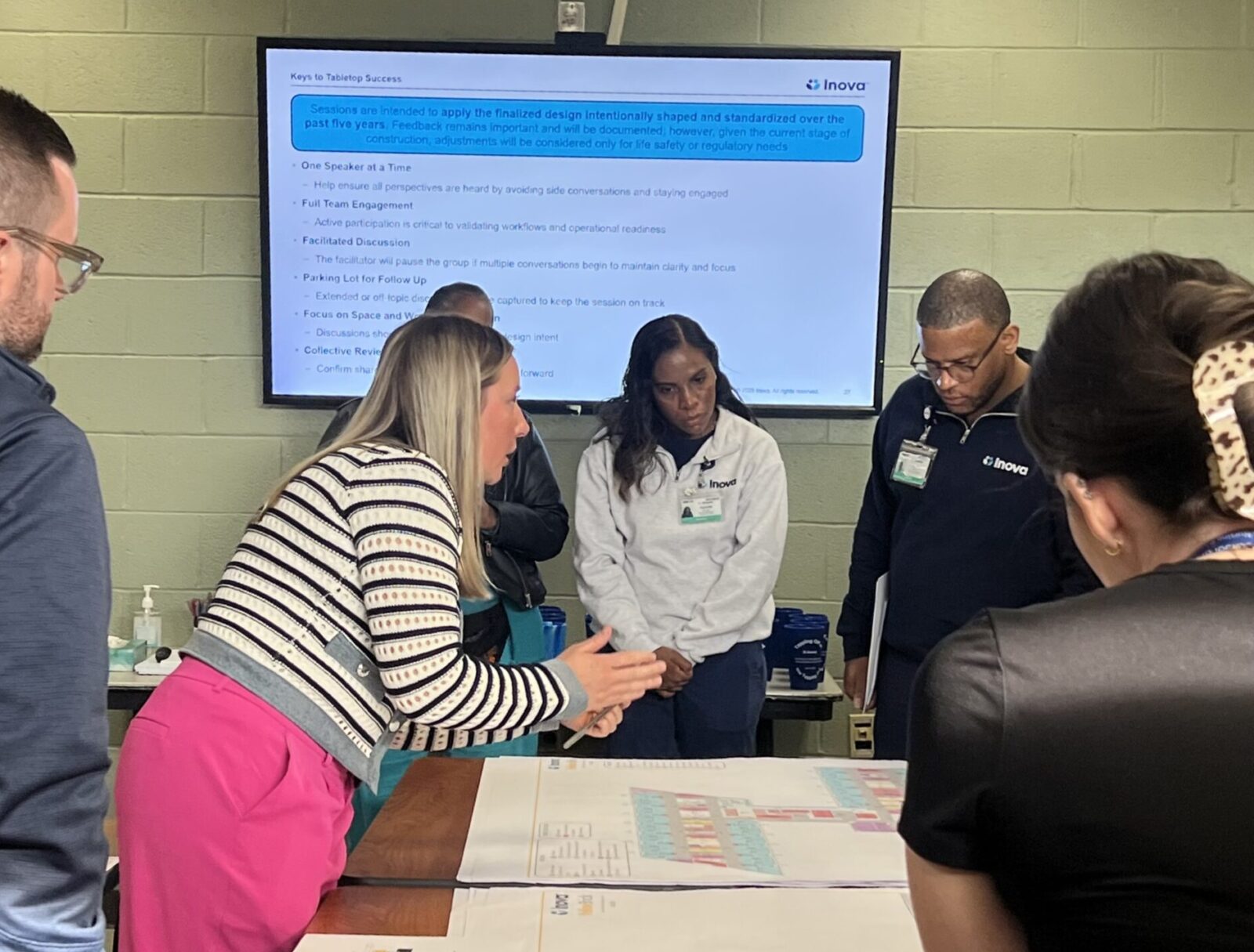
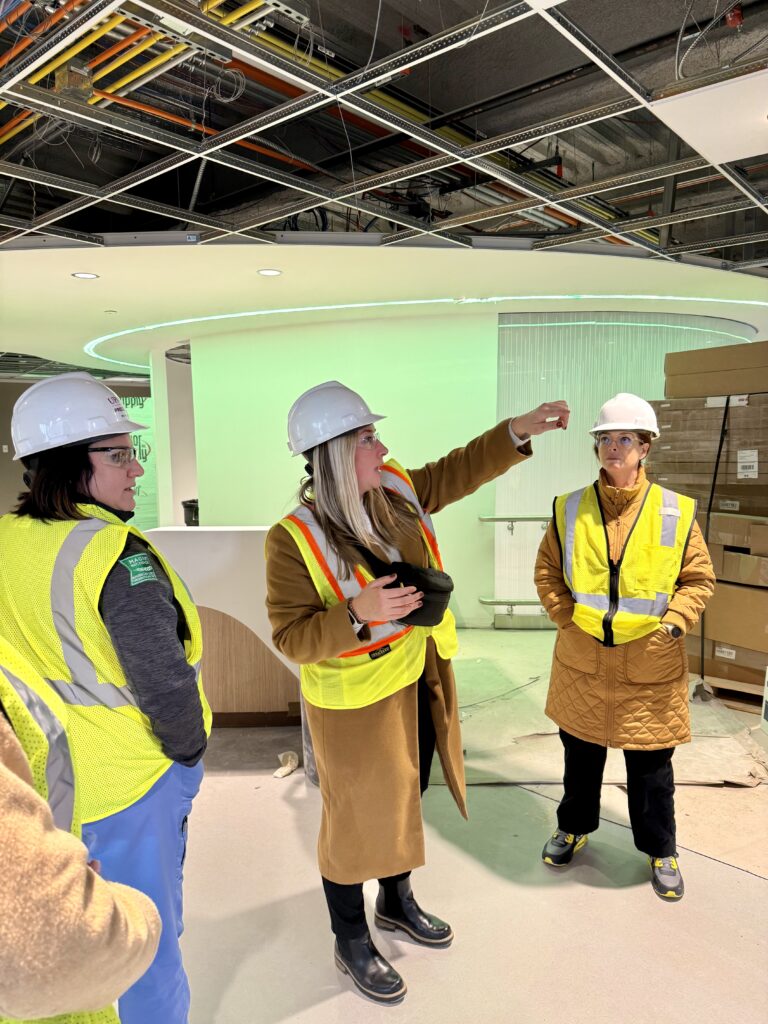
Once you understand the organization’s goals and the intent behind the building design, the next step is assessing how end users have been involved, or how they will be involved moving forward.
In my experience, end-user engagement is one of the most effective ways to support successful transition and activation planning. The individuals who will work in the new environment every day bring valuable operational insight, and their involvement can strengthen both planning efforts and long-term adoption.
Consider the following:
When team members help shape the design, space, and future operations, they develop a stronger sense of ownership and accountability for the project.
Operational planning is most effective when it includes the people who know today’s workflows best, even when those workflows will need to evolve in the new environment.
Even when end users challenge aspects of the design, those conversations create value by identifying concerns early, improving readiness, and helping teams prepare for change more effectively.
The best way to help team members embrace change is to involve them in the process. When people understand what is changing, why it is changing, and how it will affect their work, they are more likely to engage in planning discussions and contribute meaningful solutions.
Giving teams a voice in the transition process not only builds awareness but also fosters buy-in, trust, and a smoother path to operational readiness.
Final Thoughts
Understanding your project goals, clarifying the design intent, and developing a thoughtful approach to end-user engagement are critical first steps in getting your project off the ground.
When you establish this foundation early, you create stronger alignment, more meaningful engagement, and a better-informed approach to transition and activation planning. In the long run, that groundwork can make the difference between simply opening a new facility and truly being ready to operate it successfully.