
By: Donna Demerjian, PhD, LCSW, LBBP
Behavioral health environments are more than physical settings for care. They influence safety, recovery, staff confidence, and the daily experiences of patients and families. From early planning through opening day, every design decision shapes how people navigate the space, how teams respond in real time, and how the environment supports healing.
That is why behavioral health transition and activation planning should be grounded in the design’s functional program.
A well-designed environment can reduce triggers, support choice, improve observation, create calming circulation, protect privacy, and promote healing. These benefits can only be fully realized when teams understand the design intent and can then fold it into operations, having time to practice in the space before patients are seen.
Design Intent Should Guide Activation Planning
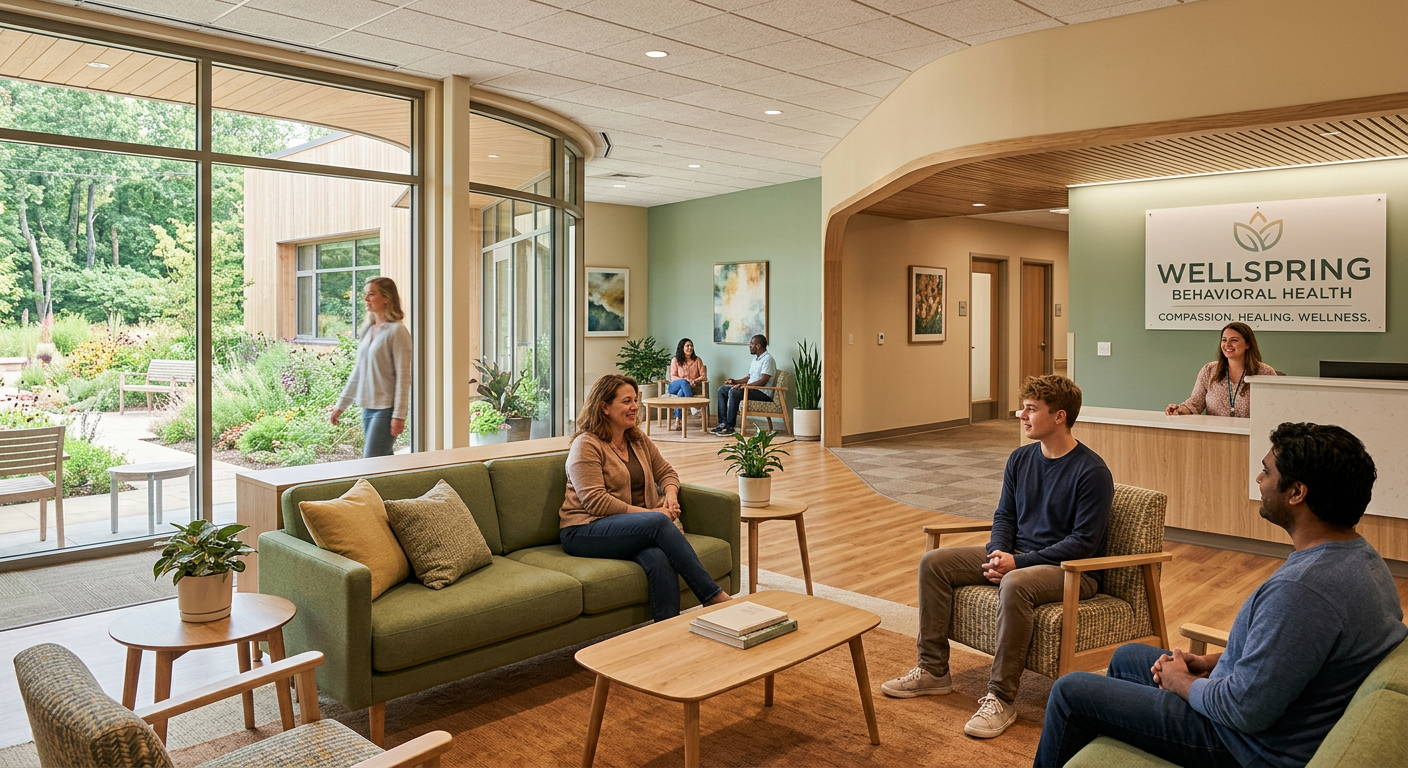
In behavioral health, trauma-informed and person-centered design are not simply aesthetic choices, they are operational tools. Sightlines, room layouts, access to daylight, acoustics, furniture placement, ligature-resistant features, color palettes, privacy zones, outdoor connections, and staff respite areas all influence how care is delivered.
Transition planning helps protect that design intent through workflow planning and training. It gives leaders, clinicians, facilities teams, and frontline staff time to clarify how key features should be used, develop workflows to support, create a training program that supports these plans, and make adjustments before opening day.
Design Priorities That Support Better Outcomes
The strongest behavioral health projects blend evidence-based design, trauma-informed principles, and salutogenic thinking, the idea that environments should actively support wellbeing, not just reduce risk. Natural light, calming materials, meaningful access to nature, quiet spaces, predictable wayfinding, and flexible rooms can all help create a setting that feels safer, more humane, and more supportive of recovery.
Innovations Worth Activating Thoughtfully
Many newer behavioral health environments include design features such as circadian lighting, biophilic elements, modular or flexible room layouts, acoustic strategies, low-stimulation spaces, and technology-enabled therapy rooms. These features are most effective when staff know why they were included, how they support clinical goals, and how to incorporate them into daily workflows.
Practice the Space Before Patients Arrive
Tabletop Exercises, Dress Rehearsals, mock patient scenarios, and room readiness checks provide teams a practical way to test whether the design works as intended. Can staff observe safely while preserving dignity? Are de-escalation spaces easy to access? Do acoustics support calm communication? Are patient rooms, group rooms, consult rooms, medication areas, and staff zones ready for real use?
Activation planning becomes a design quality check and helps teams identify gaps, placement of supplies, visibility concerns, noise issues, confusing wayfinding, furniture that interrupts workflow, or features that need additional staff education. Providing time in the space to identify issues before they impact patients, families, or staff, ensures design intent is met on Day 1.
Why This Matters Now
Behavioral health programs are expanding, renovating, and reimagining care environments across the country. These projects represent major investments in safety, access, recovery, and staff wellbeing. A strong activation plan helps ensure the design is not only completed, but understood, tested, and ready to support care on Day One.
The best projects happen when design, clinical operations, facilities, safety, regulatory, and frontline perspectives stay connected. When teams understand the “why” behind the environment, they are better prepared to use the space in ways that support safety, dignity, recovery, and compassionate care.
Whether you are opening a new psychiatric hospital, renovating an inpatient unit, launching a crisis stabilization program, or preparing a residential treatment setting, transition and activation planning helps translate design vision into everyday practice.
At Yellow Brick, we help healthcare organizations connect design intent with operational readiness. From activation strategy and readiness checklists to dress rehearsals, workflow testing, and Day One support, we partner with teams to make sure behavioral health spaces are not only thoughtfully designed – but truly ready for care.